Nov 11 2025
Why Does My House Still Feel Cold With the Heat On?
You turn up the thermostat, hear the furnace kick on, and wait for the warmth to spread. But it never quite does. It’s a frustrating—and expensive—situation when you’re paying for heat that doesn’t seem to do its job. The good news? There are a handful of common reasons this happens, and most can be fixed fairly easily.
If your home feels cold even when the heat’s on, the most common causes include:
- Warm air escaping through leaks, drafts, or poor insulation
- Blocked or leaky ductwork that reduces airflow
- A furnace that’s old, undersized, or overdue for maintenance
- A thermostat that’s out of calibration or poorly placed
- Dirty filters or airflow blockages throughout your home
With over 50 years of experience, Van Drunen Heating & Air Conditioning has resolved all these issues and more. Let’s take a closer look at what might be causing your home to stay cold, and what you can do about it.
Why Isn’t My Furnace Actually Warming the House?
If your furnace is running constantly but the house never feels warm, it’s time to look closer. The problem could stem from the system’s age, size, or condition.
How to tell:
- Your furnace is over 15 years old and struggles to maintain consistent heat.
- It cycles on and off frequently or runs for long stretches without raising the temperature.
- You hear unusual noises or notice weak airflow from vents.
What to do:
- Start with simple maintenance—replace your air filter every 1–3 months. A dirty filter restricts airflow, forcing the furnace to work harder.
- Schedule a professional tune-up to clean burners, check components, and ensure the system is operating efficiently.
- If your furnace is undersized or nearing the end of its lifespan, a qualified technician can help determine if a replacement is necessary.
Could Poor Insulation or Air Leaks Be Letting My Heat Escape?
Even the most efficient furnace can’t keep up if your home is losing heat faster than it can produce it. Air leaks and inadequate insulation are among the biggest culprits.
How to tell:
- You feel drafts near windows, doors, or electrical outlets.
- Certain walls, floors, or ceilings feel cold to the touch.
- Your heating system runs frequently, but rooms never reach the temperature set on the thermostat.
What to do:
- Seal your windows and door frames with weatherstripping or caulk.
- Add insulation in attics, crawl spaces, and basements where heat loss is common.
- If you’re unsure where leaks are happening, a home energy audit can pinpoint problem areas using infrared imaging or a blower door test.
Small sealing and insulation upgrades can drastically improve comfort and lower heating costs, often without touching your HVAC system.
Why Are Some Rooms Always Colder Than the Rest?
Uneven heating can make one room cozy while another feels like an icebox. This usually points to airflow or ductwork issues.
How to tell:
- Some vents blow strong, warm air, while others barely push air out.
- You notice dust buildup around registers, or rooms take much longer to warm up.
- You can hear air moving in the ducts, but don’t feel much at the vent.
What to do:
- Check that all supply and return vents are open and unobstructed by furniture, rugs, or curtains.
- Make sure dampers (the small metal levers on vent covers) are open in colder rooms.
- If certain areas still don’t warm up, have your ductwork inspected and sealed. Leaky ducts can waste up to 30% of your heated air before it even reaches your living space.
- For multi-level homes, consider zoning systems or adjusting fan settings to help balance temperature differences.
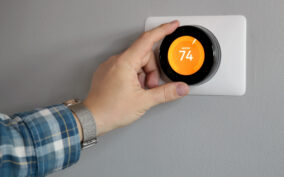
Could My Thermostat Be the Problem?
Sometimes the issue isn’t the heat—it’s the control system that regulates it.
How to tell:
- Your thermostat reads a temperature that doesn’t match how the room feels.
- The system turns off before the house feels warm or runs too long.
- The thermostat is located in a poor spot—like near a window, draft, or direct sunlight.
What to do:
- Try moving the thermostat to a central interior wall, away from vents and exterior doors.
- Replace outdated models with a programmable or smart thermostat for more precise temperature control.
- If problems persist, a technician can recalibrate the thermostat or test the wiring to make sure it’s communicating correctly with your furnace.
What Else Could Be Making My House Feel Cold?
Sometimes comfort issues come down to smaller, easily overlooked factors.
- Furniture placement: Large couches or bookshelves blocking vents can limit airflow. Rearrange furniture so warm air can move freely.
- Chimneys and recessed lighting: These can act like heat chimneys, pulling warm air upward and out. Sealing around fixtures or using chimney balloons can reduce loss.
- Humidity: Dry winter air feels cooler. Running a humidifier helps the air retain heat better, making 68°F feel closer to 72°F.
Small tweaks like these can make a surprising difference in comfort without increasing your thermostat setting.
Don’t Settle for a Cold Home This Winter
If your house never feels warm enough, you don’t have to just live with it. Start by checking for simple fixes—changing filters, sealing drafts, and unblocking vents. If the problem continues, it may be time to have your system professionally inspected.
The team at Van Drunen Heating & Air Conditioning is ready to help. Reach out today for a furnace tune-up and start feeling comfortable in your home again!